
The Credit Card Annual Fee Audit: How to Decide Which Cards to Keep, Downgrade, or Cancel
An unexpected $550 annual fee charge just hit your statement on a Tuesday morning. Don't panic-cancel. Follow this 4-step quantitative audit framework.
It happens to every credit card holder eventually.
You open a shiny new premium travel card in Year 1, enjoy the 60,000-point sign-up bonus, and feel like a financial genius. Fast forward 12 months, and a surprise $250, $395, or $550 annual fee line item posts to your online bank statement.
Most consumers react in one of two wrong ways: they either panic-cancel the card immediately (hurting their credit utilization ratio) or silently pay the fee out of inertia without realizing they are losing money.
Below is the 4-step quantitative decision framework used by financial planners to audit annual fees cleanly.
1. The 4-Step Annual Fee Audit Framework
Calculate Year 2 Net Organic Yield
Deduct all zero-friction credits (e.g. $300 travel credit) from the sticker annual fee. Next, multiply your actual 12-month organic category spend by your point multiplier and point value. If Net Organic Yield > Net Fee, KEEP THE CARD.
Call the Retention Department
Call the number on the back of your card within 30 days of the fee posting. Politely state: "I am evaluating my budget and considering closing this card due to the annual fee. Are there any retention offers available on my account?" Bank representatives frequently issue $100–$300 statement credits or 15,000–30,000 bonus points to keep your account open.
Execute a Zero-Annual-Fee Product Change (Downgrade)
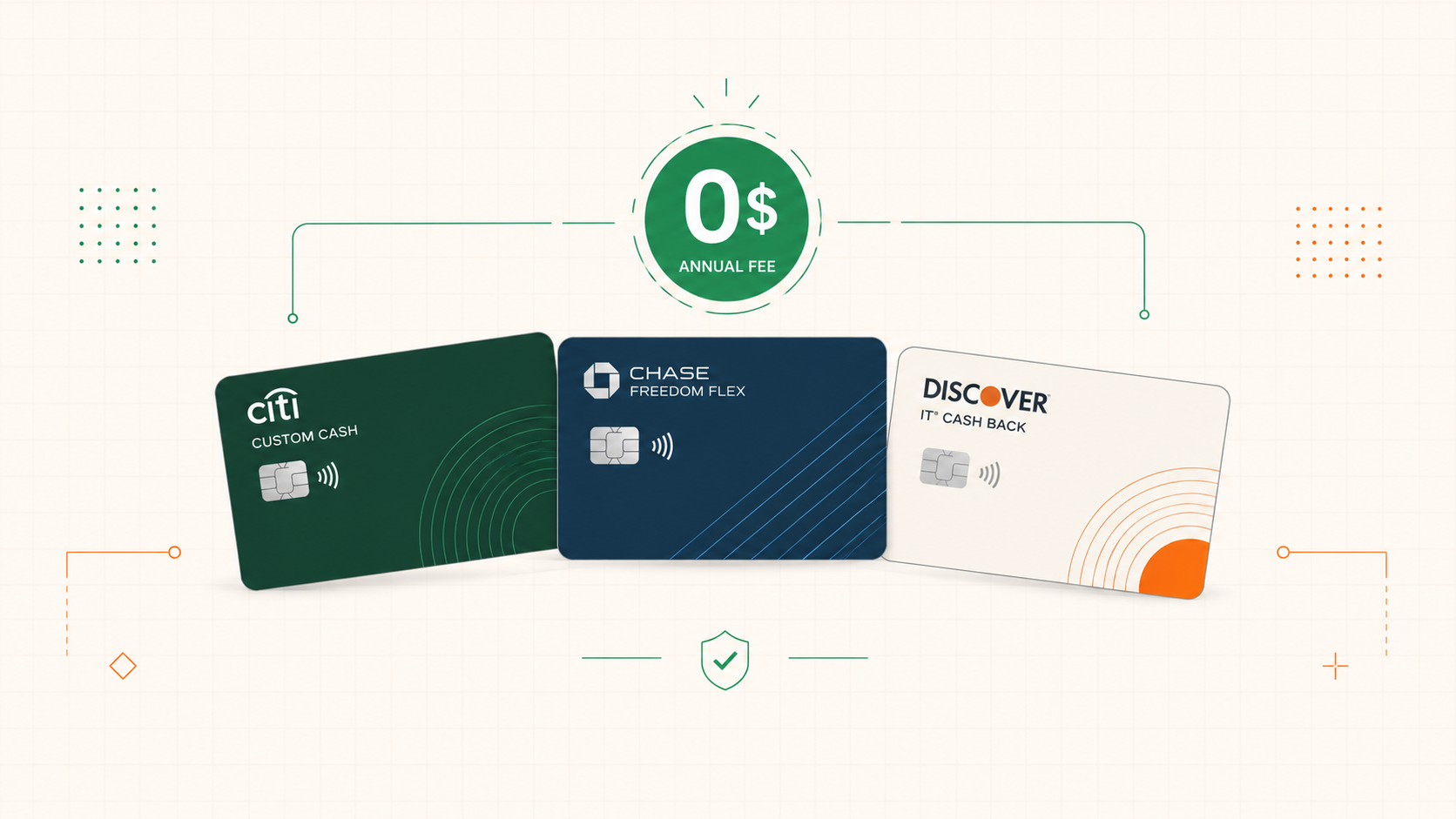
If no retention offer is available and organic spend doesn't justify the fee, ask for a product change to a $0 annual fee card within the same bank family (e.g. Chase Sapphire Reserve → Chase Freedom Unlimited®). This eliminates the annual fee while keeping your credit line and account age 100% intact.
Cancel the Account (Last Resort)
If no no-fee downgrade path exists (e.g. certain co-branded airline cards), cancel the account. Under 30-day grace period rules, your annual fee will be 100% refunded.
2. Popular Product Change (Downgrade) Matrix
| Current Annual Fee Card | Annual Fee | Best $0-Fee Downgrade Path | Key Downgrade Benefit |
|---|---|---|---|
| Chase Sapphire Reserve® / Preferred® | $550 / $95 | Chase Freedom Unlimited® / Flex® | 1.5x catch-all or 5% rotating categories |
| Capital One Venture X | $395 | Capital One VentureOne / SavorOne | 1.25x miles or 3% dining/groceries |
| Citi Premier® Card | $95 | Citi Double Cash® / Custom Cash® | 2% flat cash back or 5% top category |
3. The 3 Cardinal Rules of Credit Card Cancellations
Never Cancel in Year 1
Closing a credit card within 12 months of opening it will trigger bank clawback algorithms (especially Amex), revoking your welcome bonus points and risking account blacklist.
Transfer Points Before Closing
If you close a card without holding another card in the same points currency (e.g. closing your only Chase UR card), your unredeemed points expire instantly.
Shift Credit Limits First
Before canceling, call the bank and request to transfer your credit line to another open card with the same issuer to preserve your overall credit utilization ratio.
4. Frequently Asked Questions
Does canceling a credit card hurt your credit score?
Canceling a credit card reduces your overall available credit limit, which can increase your credit utilization ratio and temporarily lower your score. Under FICO scoring model rules, closed accounts in good standing remain on your credit report for 10 years and continue to contribute to average age of accounts.
What is a credit card product change (downgrade)?
A product change allows you to swap an annual fee credit card for a zero-annual-fee card within the same issuer family (e.g., Chase Sapphire Reserve to Chase Freedom Unlimited) without closing the account, preserving your credit limit and credit history.
When should I call for a retention offer?
Call your card issuer within 30 days of the annual fee posting to your statement. Politely inform the representative that you are considering closing the account due to the fee, and ask if there are any retention offers (statement credits or bonus points) available.
Audit Your Annual Fee ROI Now
Before paying your next annual fee renewal, run your monthly spend numbers through our conflict-free engine to verify if your current cards are making or losing you money.